Christ-Centered Recovery Ministries 

Celebrate Recovery vs. Re:generation

Celebrate Recovery and Re:generation are both great 12-step Christian recovery ministries run by passionate believers. These ministries are co-laborers, not competitors, in the cause of serving those looking for freedom from addiction, abuse, depression, and many other struggles.

But there are key differences that might make one of the ministries a better fit for your organization’s needs or goals.  

Celebrate Recovery and Re:generation recovery ministry logos
Recovery Ministry Resources

What is Celebrate Recovery?

Celebrate Recovery was started by John Baker in 1991 under the leadership of Saddleback Church and its pastor, Rick Warren. Having personally benefitted from his time in Alcoholics Anonymous, Baker envisioned how powerful a similar program could be if it was explicitly Christ-centered and welcomed people with any kind of struggle. They sought to “bring healing and restoration to individuals and families whose lives had been fractured by hurts, hang-ups, and habits.” The program was extremely successful and is now used in tens of thousands of churches.

Celebrate Recovery tweaked the original 12 Steps to include more Christian language and added 8 Recovery Principles based on the Beatitudes. Ministry nights begin with a large open group, which may include testimonials, teachings, worship music, and the recitation of the Steps and the Serenity Prayer. Participants then break into smaller “closed groups.” 

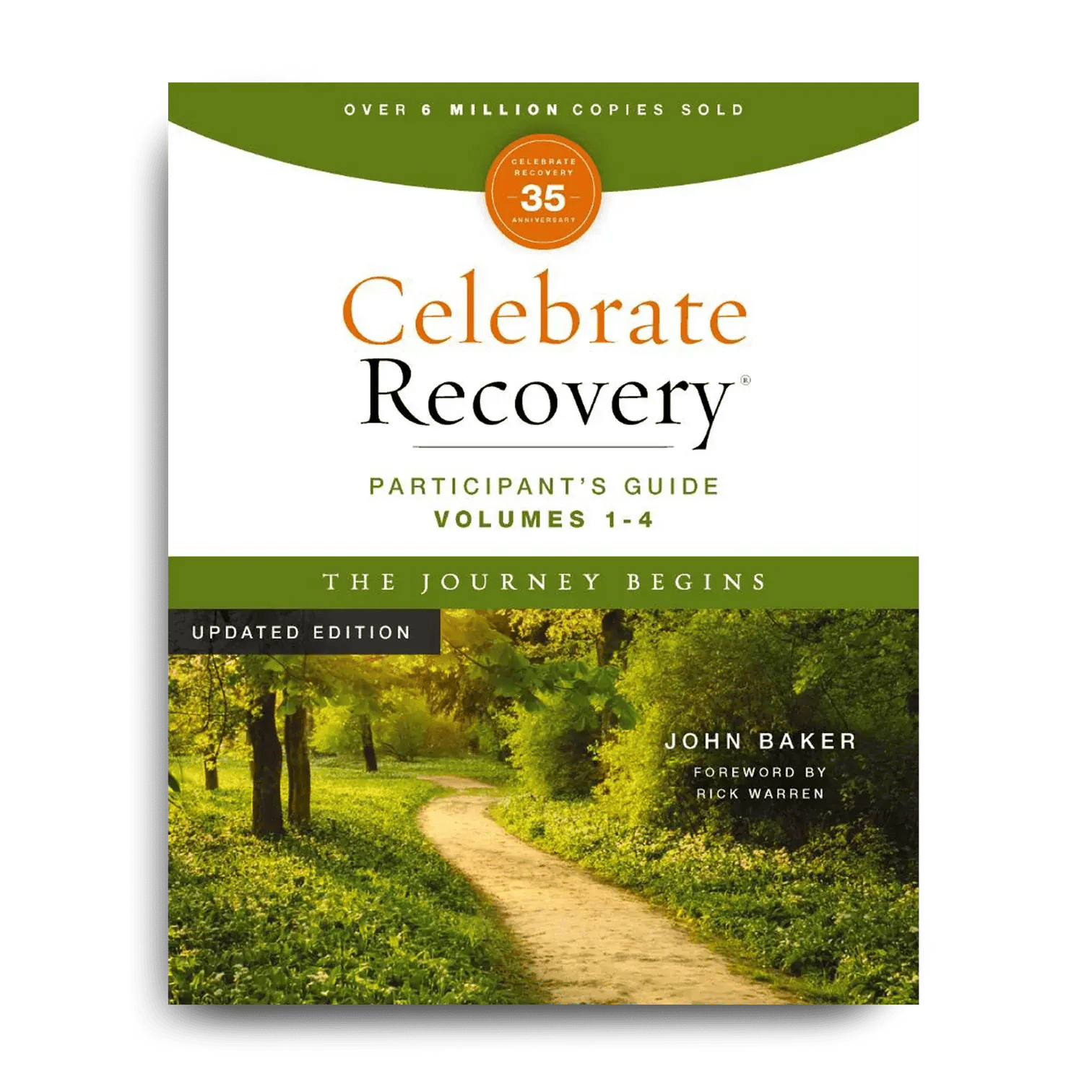
Celebrate Recovery curriculum book
Recovery Ministry Resources

What is Re:generation?

Watermark Community Church ran a large Celebrate Recovery ministry group for many years and saw God do great work through it. Without Celebrate Recovery, there would be no Re:generation. Watermark ended up altering the program in several notable ways based on the conviction of its leaders. The primary difference was a shift from Celebrate Recovery’s goal of “bringing sustainable recovery and healing to our hurts” to a deeper goal of developing “full devotion to Christ in all areas of life.” With this in mind, Nathan Graybill began developing Re:generation in 2013. 

The new curriculum was intentionally designed to add more spiritual depth to promote spiritual formation. This shifted the ministry from a recovery ministry to a discipleship ministry:

  • Daily content was introduced to facilitate daily connection with Christ, who is the means to freedom, health, and spiritual formation. 
  • Many spiritual formation elements were added, such as a spiritual gifts assessment and repentance plans. 
  • Clear distinctions were defined between forgiveness, amends, and reconciliation. 
  • Content emphasizes finding personal identity in Christ. 
  • Inventory works specifically to identify idols. 
  • Supplemental curriculum was added for abuse survivors. 
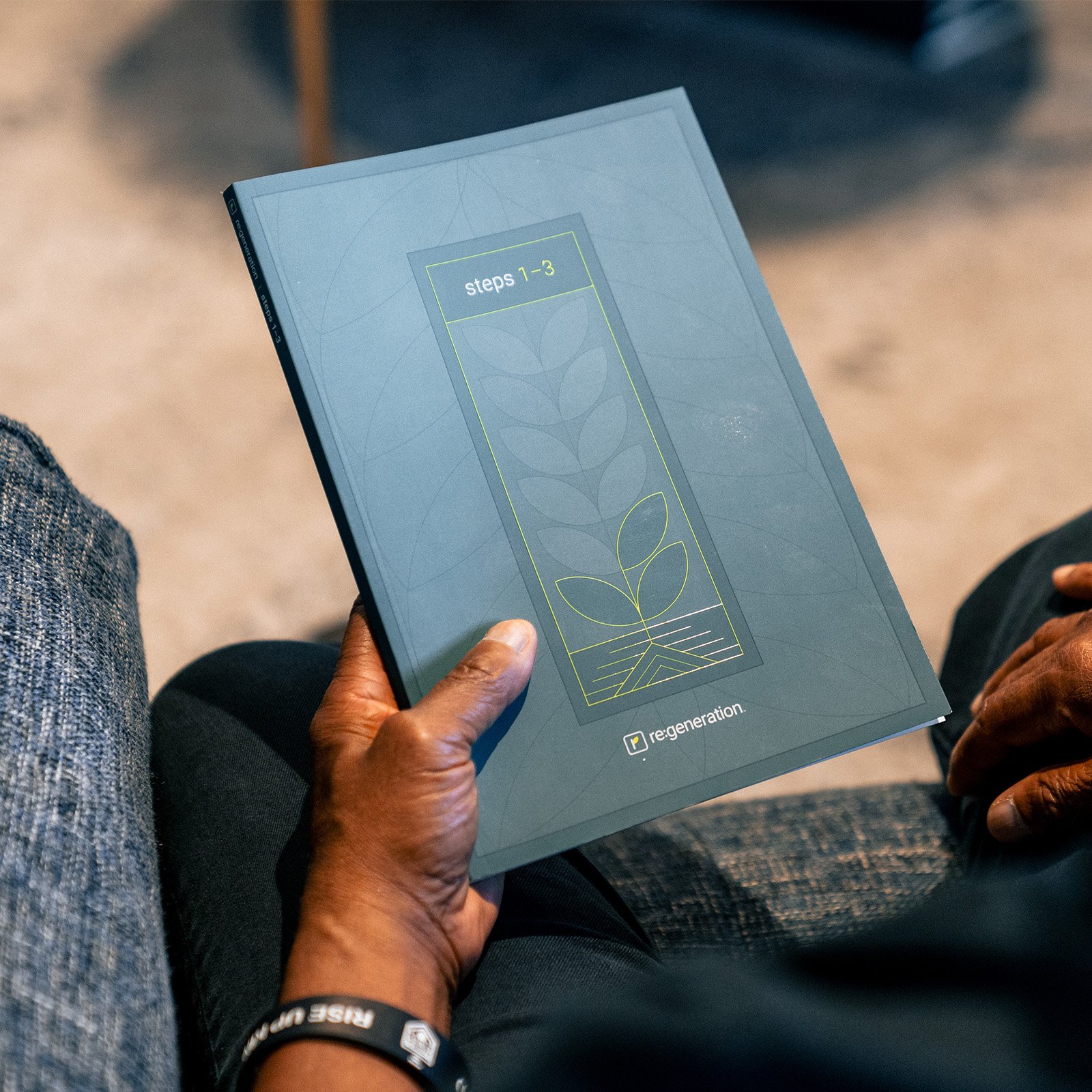
Re:generation curriculum cover
A Recovery Ministry

Similarities Between Celebrate Recovery and Re:generation

Though the programs differ in some ways, Celebrate Recovery and Re:generation share the same central purpose: helping people experience freedom, healing, and transformation through Christ.

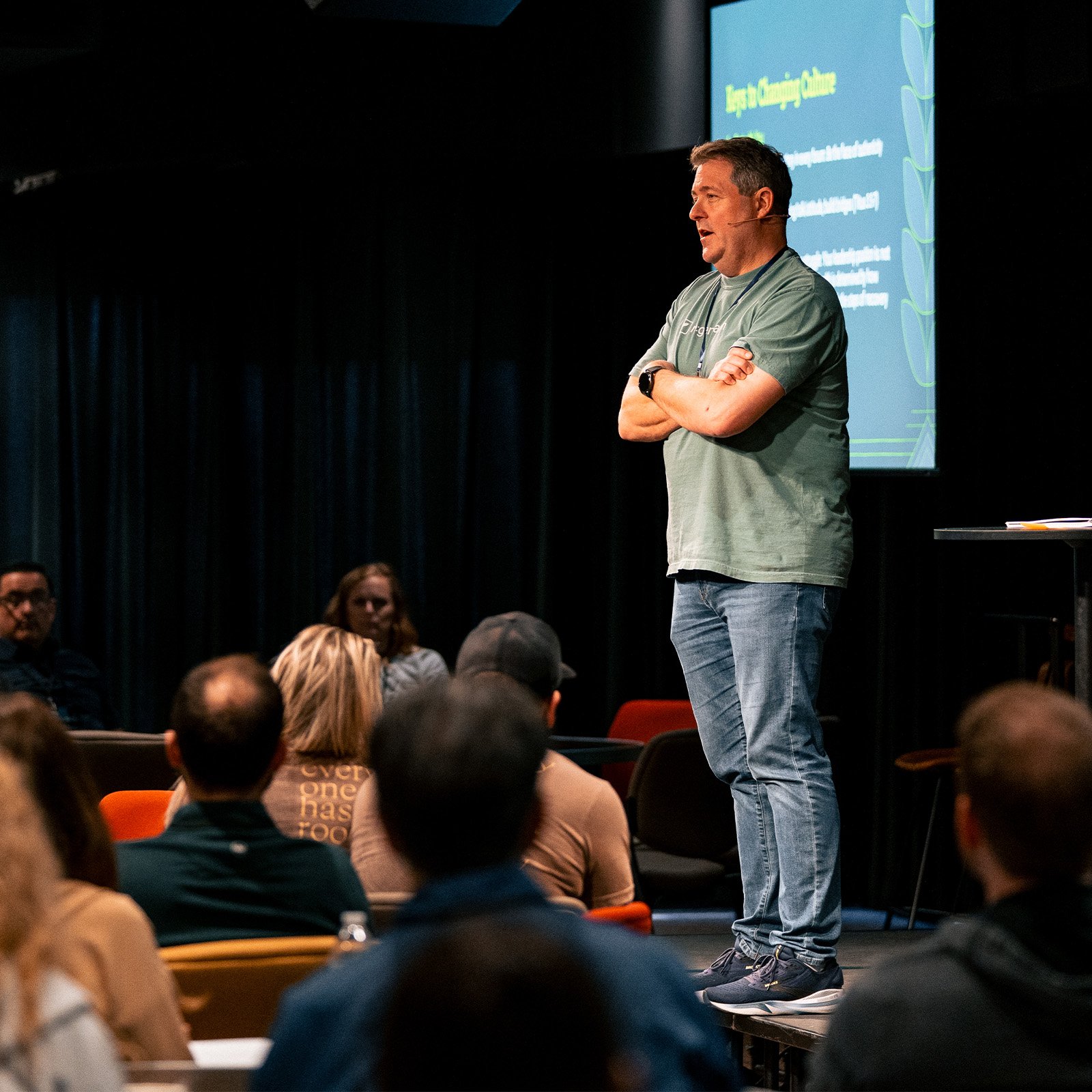
Nate Graybill, National Director of Re:generation, teaching at a training conference
Re:generation curriculum cover
Re:generation female small group time
Re:generation for Students smiling at commencement

Both programs are led by brothers and sisters in Christ who have experienced His freedom and want to share it with others who feel hurt or stuck. Each points to Christ as the true source of healing and lasting change.

The Differences Between Celebrate Recovery vs. Re:generation

Next Steps

Interested in bringing Re:generation to your church or want to attend an event to learn more? Fill out the ministry interest form or look for an Open House in your region.

brand-icon-regenerate-rg-green
Two Re:generation female participants hugging at a conference